
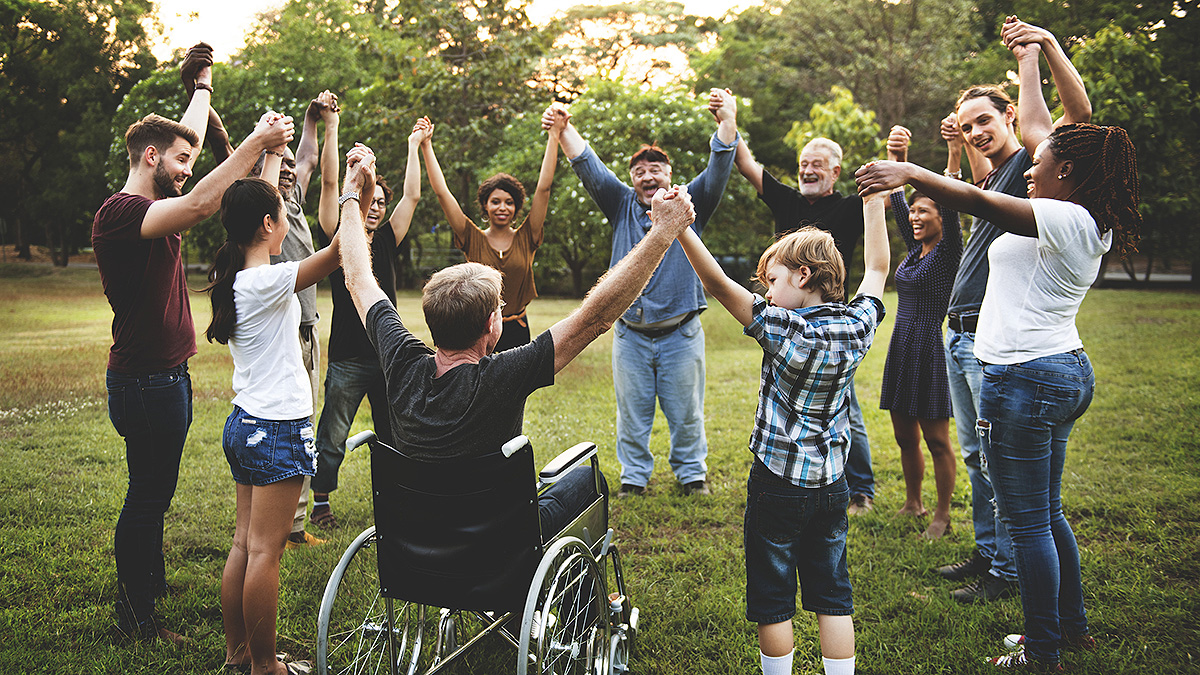
The Architecture of Connection: Why Social Health is Your Secret Longevity Weapon
In the modern pursuit of wellness, we often prioritize gym memberships and meticulously tracked diets. However, a growing body of scientific evidence suggests that the strength of our social bonds may be just as critical to our survival as the air we breathe. Social health—the ability to form meaningful relationships and interact effectively with others—is not merely a “soft” skill; it is a foundational pillar of human vitality.
The Power of Healthy Foundations
At the core of social health lies the quality of our closest circles. Surrounding yourself with supportive, positive individuals creates a psychological safety net that buffers the effects of stress. Healthy relationships are characterized by mutual respect, trust, and the freedom to be authentic. When we interact with people who uplift us, our bodies release oxytocin, often called the “c bonding hormone,” which naturally lowers cortisol levels and reduces inflammation. By intentionally auditing our social circles and investing time in those who provide emotional nourishment, we build a fortress for our long-term mental well-being.
Mastering the Art of Interaction
Communication is the bridge that connects two internal worlds. Developing strong communication skills involves more than just speaking clearly; it requires the art of active listening. To truly hear someone—observing their tone, body language, and unspoken needs—is one of the highest forms of validation. When we learn to express https://rebeccasingsonmd.com/ our boundaries and desires with clarity and empathy, we prevent the misunderstandings that lead to resentment. Effective communication transforms potential conflicts into opportunities for deeper intimacy, ensuring that our social health remains robust even during challenging times.
The Belonging Factor: Community Participation
Humans are inherently tribal creatures. While individual friendships are vital, a sense of belonging to a larger group provides a unique psychological anchor. Joining clubs, sports teams, or volunteering for local causes shifts our focus from “self” to “we.” This participation provides a sense of purpose and collective identity. Whether it is a weekly book club or a neighborhood clean-up initiative, these shared activities combat the rising epidemic of loneliness. They remind us that we are part of something larger than ourselves, which is a key driver of life satisfaction.
The Biological Impact of Connection
The “Extra” benefit of social health is perhaps the most startling: it is directly linked to physical longevity. Research indicates that individuals with strong social ties have a 50% increased likelihood of survival compared to those with weak relationships. Conversely, chronic isolation is as damaging to health as smoking 15 cigarettes a day. Feeling isolated triggers a “fight or flight” response in the nervous system, which, over time, damages the cardiovascular system and weakens the immune response.
In conclusion, social health is not a luxury; it is a biological necessity. By nurturing positive relationships, refining our communication, and engaging with our communities, we do more than just improve our mood—we literally add years to our lives.
Leave a Reply